
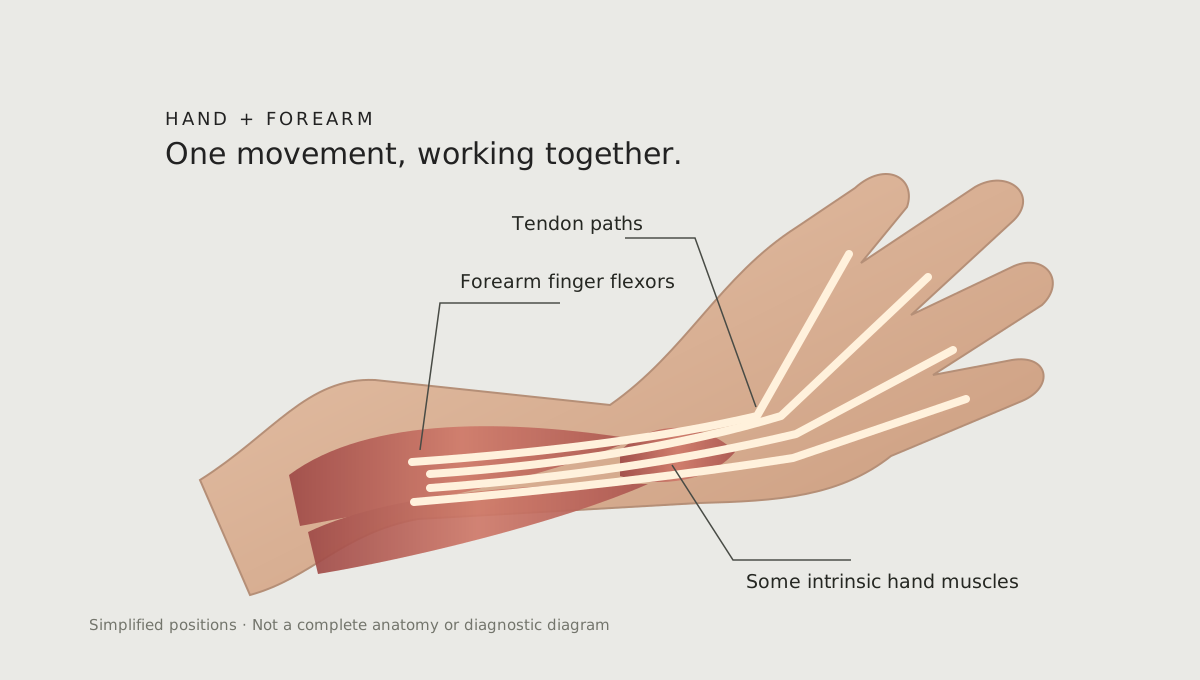
Muscles move fingers through tendons
AAOS hand-anatomy guidance explains that muscles moving the fingers and thumb lie in the forearm and hand; tendons connect muscles to bones. Long finger-flexor tendons pass through the wrist and palm to bend the fingers. Grip also needs intrinsic hand and other muscles working together—not just the palm or one muscle.
What should you notice in the demonstration?
Notice how fingers wrap the object, squeeze slowly and release with control, and whether the wrist stays comfortable. Hand and forearm pictures show positions, not medical images. Towel photos show the material; the exercise is squeezing a rolled towel, not wringing. Teaching pictures cannot assess your strength or injury.
Release is part of the movement
Support the object in a comfortable position, then slowly close your fingers. Control the release while keeping it in your palm; in the empty-hand example, return to open fingers. Breathe naturally, without sharply bending the wrist to force a squeeze. These are general cues; actual grip depends on hand shape, object size and equipment instructions.
Understanding movement is different from planning rehabilitation
NHS hand guidance covers different situations, including fractures, injuries and post-surgery care. This site uses basic movement principles and everyday objects, not copied rehabilitation prescriptions. Check suitable movements with a medical professional for persistent weakness, pain, numbness or rehabilitation.